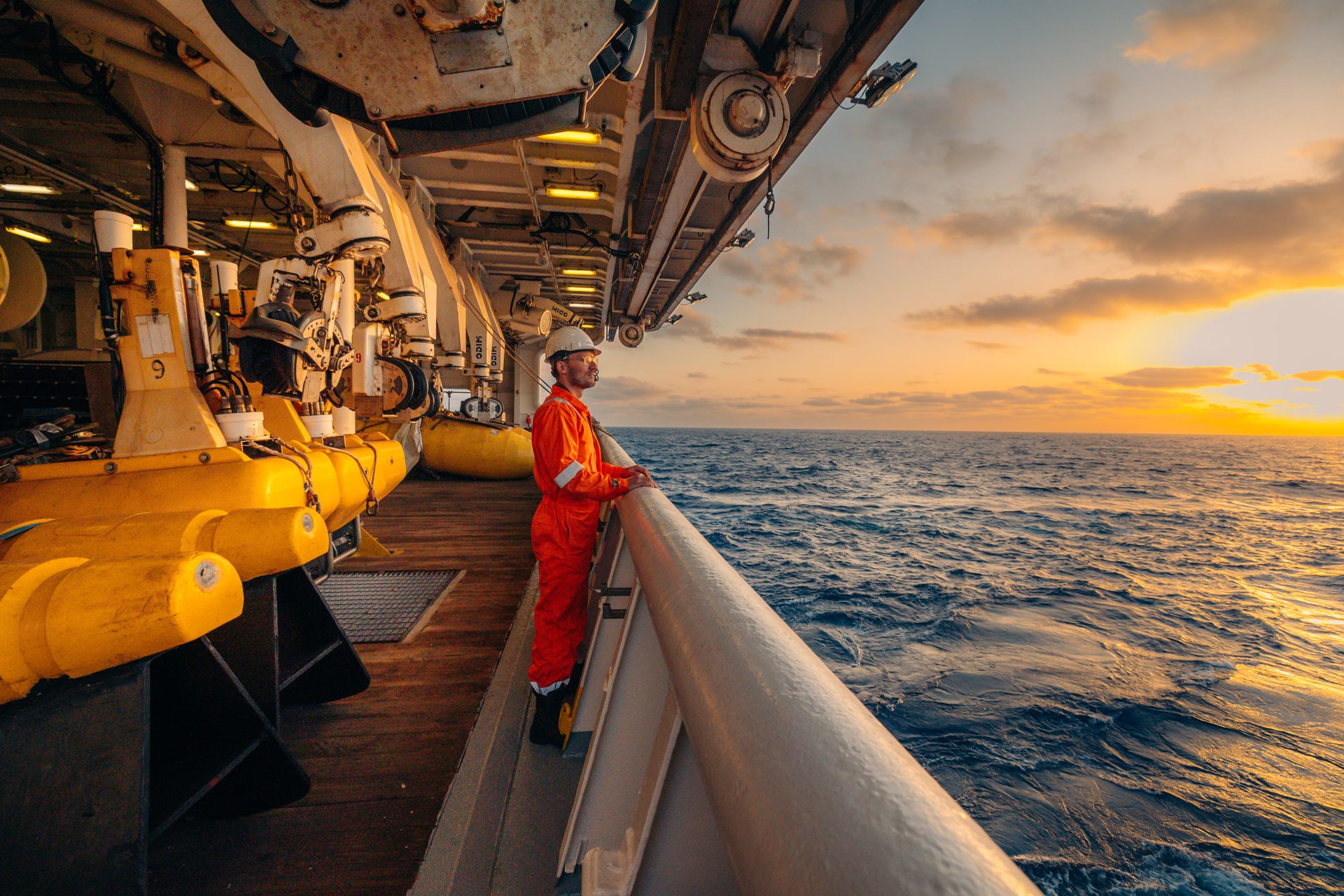
BERGEN, NORWAY — 60.39°N 5.32°E
Furkan Tozlu
Navigation Manager, Shearwater GeoServices
BERGEN, NORWAY — 60.39°N 5.32°E
Navigation Manager, Shearwater GeoServices
Seismic survey vessels are floating data centers. I've spent my career making sure the compute stays up — at sea, in weather, days from the nearest port.
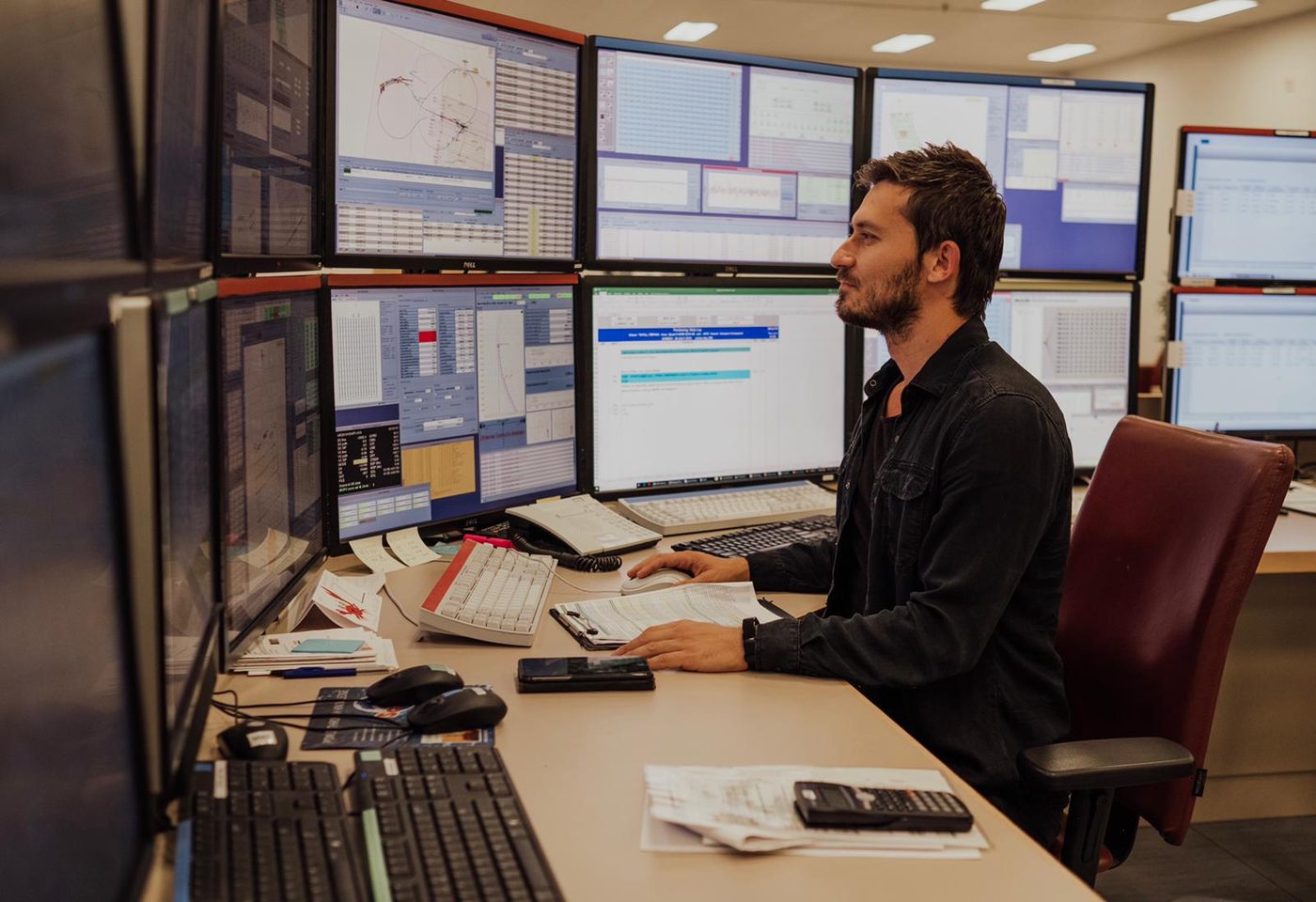
Seismic vessels are mission-critical environments in the most literal sense. High-performance server racks run positioning and acquisition software, and if that compute goes down mid-survey, the whole operation stops.
Keeping those systems available around the clock was a core part of my job. It taught me the discipline that data center work runs on: preventive maintenance over reactive fixes, clear escalation paths, and knowing the difference between a fault you take offline now and one that can safely wait for port.
On new vessel projects I worked on the planning and commissioning of the onboard server rooms — what we called the glasshouse. Infrastructure layout, electrical power requirements, cooling and climatization, equipment deployment.
The scale is different from a CoreWeave facility, but the questions are the same ones asked in every data center: is there enough power and is it distributed properly, can we reject the heat, can we maintain it without taking everything down, and what happens when something fails.
Reliability at sea was never a target. It was the baseline.
When I'm not on a bridge or in front of a bank of monitors, I'm usually on a trail somewhere in the fjords around Bergen — which, it turns out, is good practice for reading weather, planning for the unexpected, and being fine with getting wet.